

As a visitor to New York City, you’ve probably realised that the streets here aren’t like the ones back home. The locals here seem to know how to navigate it smoothly, but you’re struggling, and that’s why you’re here.
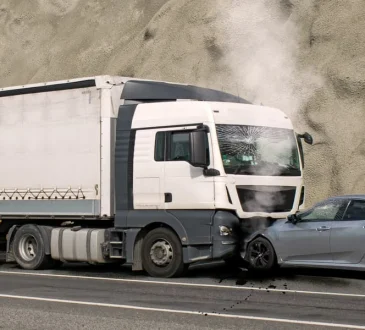
NYC streets don’t work the way visitors expect. They signal danger through timing and small cues that most tourists haven’t yet learned, rather than announcing it loudly. Accidents here involving tourists almost always start with a misunderstanding. When they occur, your best option is to involve a Brooklyn car accident lawyer to help you with the legal aftermath.
The Myth of “If There’s a Light, It’s Safe”
In most cities, a green light signals permission to cross the street. In New York, it’s more of a suggestion to take with a pinch of salt.
Turning vehicles don’t always wait. Vehicles from right turns creep forward, and the ones from left turns squeeze through gaps that barely exist. Some intersections even allow movement from several directions at once, which, at a glance, looks like a mess, but there is a rhythm to it.
While tourists trust the traffic signals, locals watch the cars. Drivers, cyclists, and pedestrians are all reading each other to navigate these roads. When someone relies solely on the light and not the motion around them, it throws off the flow and can lead to an accident.
Don’t Pause At Crosswalks
A crosswalk is a whole other conversation to be had.
You must remember that making eye contact and maintaining a consistent pace are key. Locals step off the curb and keep moving, even if a car comes forward. That steady motion tells drivers what to expect.
Tourists often hesitate as they are unfamiliar with this type of environment. They stop to look around or check directions, but that pause can throw everything off. Drivers can misjudge and slam on the brakes. Bikers swerve and crash into other pedestrians.
Ironically enough, stopping can be more dangerous than continuing on your way.
Borough Streets Aren’t Interchangeable
Many visitors assume that all the streets in New York operate the same. You’re inclined to think the habits in Manhattan apply across the whole city, but that is not quite the case.
The Bronx has wider roads and faster traffic with fewer visual cues. If you misread the speed of a vehicle or how much space you have to squeeze past one, accidents can escalate quickly, which is why visitors sometimes find themselves speaking with a Bronx car accident lawyer after a run-in they didn’t even see coming.
Queens stretches out with its long blocks and big intersections. Tourists tend to miss crossings, causing them to turn suddenly or hesitate in active lanes. These situations often seem minor but can lead to serious consequences that require the help of a Queens car accident lawyer in the legal aftermath of an accident.
Brooklyn has a mix of cars, bikes, scooters, and nightlife crowds, often all at once. There’s movement coming from every direction. Low-speed collisions and near-misses happen here all the time, and when they do, people have to consult a Brooklyn car accident lawyer to sort through the mess.
You get the picture. Each borough plays by its own rules.
Bikes, Scooters, and the Lanes You Don’t See
Protected bike lanes don’t always look protected. Some are level with sidewalks, while others sit between the traffic. E-bikes move fast and quietly at night, and scooters appear from angles you weren’t watching.
Tourists step into these lanes thinking they’re part of the sidewalk. But one wrong move can cause drivers to brake hard and nearby cyclists to swerve. Nobody planned for that.
Honestly, it’s not intuitive. Even locals had to learn it.
The Photo Stop Problem
You might think that stopping mid-crosswalk to take a photo or check Google Maps is harmless, but in NYC traffic flow, that pause creates a ripple that affects everyone around you.
Most accidents involving tourists don’t happen at high speed. They occur during moments of hesitation when someone doesn’t know whether to move forward or step back.
What Locals Wish Visitors Knew
New Yorkers are only impatient because momentum keeps people safe. Here are a few simple but key habits that help:
- If you start crossing, keep moving.
- Watch vehicles, not just signals.
- Don’t stop suddenly; try slowing down gradually.
- Treat bike lanes as active roads.
Confidence beats caution here. Careful movement without freezing keeps things predictable for everyone on the streets.
Conclusion
NYC streets are a whole different experience compared to streets from any other city. Speed, spacing, eye contact, and timing are all there if you watch closely.
Tourists who learn to read that language stay safer and feel more at ease. Once it clicks, walking in New York becomes less stressful and a lot more fun.