

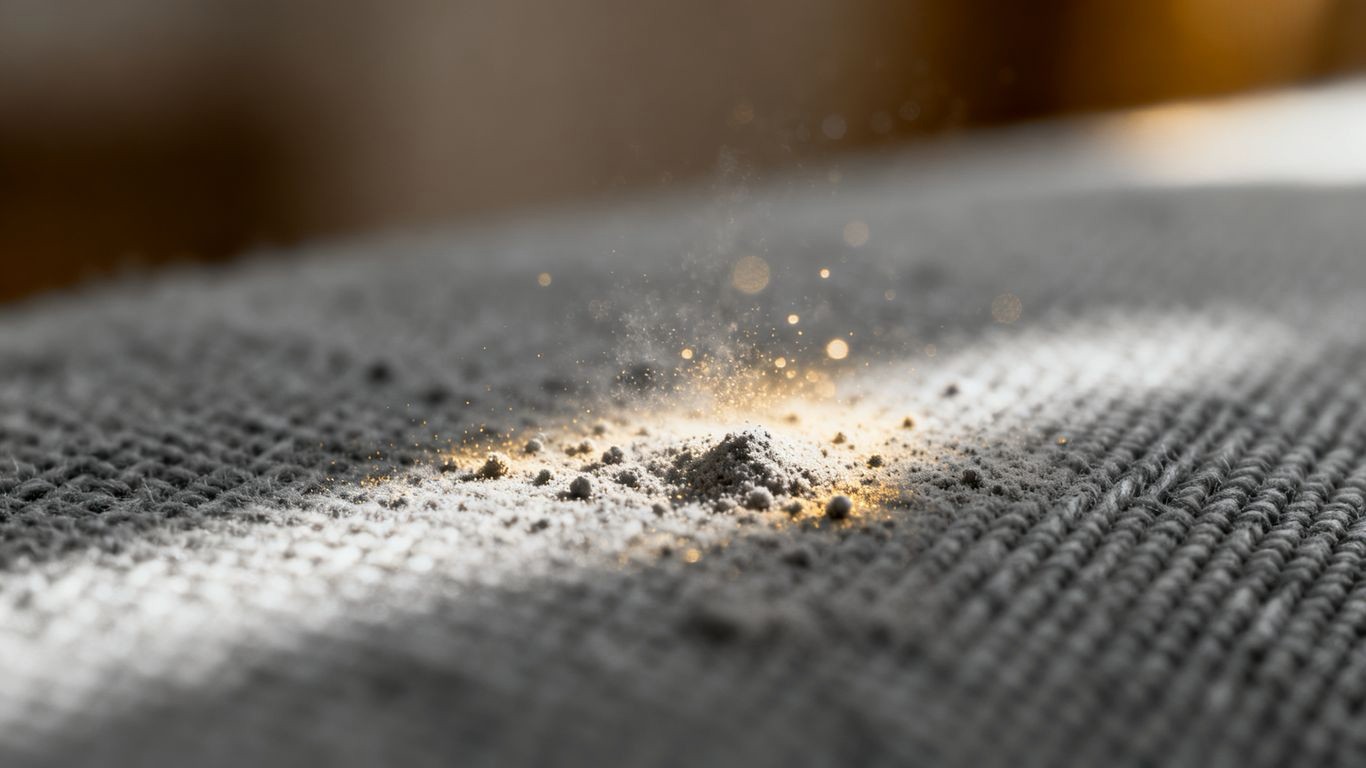
Secondary asbestos exposure, often called “take-home” exposure, happens when asbestos fibers are carried from a worksite into a home environment. This typically occurs when a worker’s clothing, skin, hair, or personal belongings become contaminated with asbestos dust. Family members, even those who never worked directly with asbestos-containing materials, can then inhale or ingest these fibers through everyday contact.
What Constitutes Take-Home Asbestos Exposure?
Take-home asbestos exposure can occur in several ways:
- Handling Contaminated Clothing: Washing or folding clothes worn by someone who worked with asbestos can release fibers into the air.
- Contact with Personal Items: Touching tools, work gear, or other items brought home from a job site where asbestos was present.
- Living in the Same Household: Simply sharing living space with a worker who carried asbestos fibers home can lead to exposure through settled dust or direct contact.
- Cleaning Contaminated Areas: Dust that settles on surfaces within the home can be disturbed and inhaled during cleaning activities.
The microscopic nature of asbestos fibers means they can easily cling to surfaces and be transported unknowingly. Understanding how asbestos exposure leads to lung cancer and other illnesses is important for affected families. This indirect contact is just as dangerous as direct exposure, as the fibers can lodge in the lungs and other tissues over time.
Who Is Most At Risk?
Individuals most at risk for secondary asbestos exposure are typically family members of workers in industries with high asbestos use. This includes:
- Spouses and Partners: Often the primary caregivers and responsible for laundry, increasing their contact with contaminated clothing.
- Children: May have closer physical contact with a parent and be more susceptible to the effects of exposure due to their developing bodies.
- Other Household Members: Roommates or other relatives living in the same home can also be exposed.
- Individuals who clean or maintain vehicles used by workers in asbestos-heavy industries.
The Durability of Asbestos Fibers
One of the most concerning aspects of asbestos is the remarkable durability of its fibers. These microscopic strands are highly resistant to heat, electricity, and chemical corrosion. This resilience, which made asbestos a popular building material for decades, also means that once released into the environment, asbestos fibers do not break down easily. They can persist in homes and on clothing for extended periods, continuing to pose a risk long after the initial contamination. This longevity means that exposure that occurred years ago can still lead to serious health issues today. Resources covering asbestos case timelines and legal processes can help families understand when and how to take action.
Legal Avenues for Secondhand Asbestos Exposure Compensation
When individuals develop asbestos-related illnesses due to secondary exposure, meaning they were exposed to fibers brought home by a loved one, several legal pathways may be available to seek compensation. These avenues are designed to help victims and their families cover medical expenses, lost income, and other damages resulting from the illness. Learning about the asbestos lung cancer claims process can help you evaluate which path is best for your situation. It’s important to understand these options to pursue justice against the companies responsible for the exposure.
Eligibility for Asbestos Lawsuit Settlements
To be eligible for an asbestos lawsuit settlement, a claimant typically needs to demonstrate a clear link between their asbestos-related disease and exposure to asbestos-containing products. For secondary exposure cases, this involves proving that fibers were carried home from a worksite and subsequently caused illness. Key elements often required include:
- Medical Diagnosis: A confirmed diagnosis of an asbestos-related disease, such as mesothelioma, lung cancer, or asbestosis.
- Proof of Exposure: Evidence showing exposure to asbestos fibers, which in secondary exposure cases, means demonstrating how the fibers were brought into the home and how the claimant came into contact with them.
- Causation: Establishing that the asbestos exposure was the direct cause of the diagnosed illness.
- Identification of Responsible Parties: Pinpointing the companies that manufactured, supplied, or used the asbestos products that led to the exposure.
Many companies that produced asbestos products knew about the dangers but did not adequately warn workers or the public, leading to widespread harm. Courts have recognized this negligence, and settlements can provide significant financial relief.
Asbestos Trust Fund Claims
Many companies that once manufactured or used asbestos have filed for bankruptcy to shield themselves from lawsuits. However, as part of their bankruptcy proceedings, these companies were required to set up trust funds to compensate individuals who were harmed by their asbestos products. If a company responsible for your exposure has established such a trust, you may be able to file a claim. The process generally involves:
- Identifying the Trust: Determining which company or companies are responsible for the asbestos exposure and if they have an active trust fund.
- Gathering Evidence: Collecting medical records, work history, and other documentation to support the claim.
- Filing a Claim: Submitting a claim form to the specific trust, often with the assistance of an attorney experienced in trust fund claims.
These trusts hold billions of dollars, and many claims related to secondary exposure are eligible. An attorney can help navigate the complex requirements for filing a successful trust claim.
Veterans Affairs Benefits
Given the widespread use of asbestos in military applications, many veterans were exposed to its dangers during their service. If a veteran developed an asbestos-related illness, they may be eligible for benefits through the U.S. Department of Veterans Affairs (VA). These benefits can include:
- Disability Compensation: Monthly payments to veterans for service-connected disabilities.
- Healthcare: Access to VA medical facilities for treatment of asbestos-related conditions.
- Dependency and Indemnity Compensation (DIC): Benefits for surviving spouses and children of veterans who died from service-connected conditions.
Even if the exposure occurred indirectly, such as bringing asbestos fibers home to family members who later became ill, veterans may still qualify for certain benefits related to their service-connected exposure. Proving the link between military service and the illness is key to securing these benefits.
Establishing Liability in Secondary Exposure Cases
When someone develops an asbestos-related illness due to secondary exposure, like bringing home dust on clothing, figuring out who is legally responsible can be complicated. It’s not as straightforward as a worker being directly exposed on a job site. The core challenge is proving that the asbestos fibers brought home actually caused the illness. This often involves piecing together a timeline and showing a clear link between the exposure and the disease.
Proving Exposure and Causation
To build a case for secondary exposure, several key elements need to be demonstrated. The plaintiff must show that asbestos fibers were indeed brought home and that these fibers led to their illness. This isn’t always easy because the exposure might have happened years ago, and the person might not have worked directly with asbestos themselves.
Here’s what typically needs to be established:
- Presence of Asbestos: Evidence must show that asbestos-containing materials were present in the home environment due to a family member’s work. This could be dust on clothes, tools, or vehicles.
- Exposure Pathway: It needs to be clear how the individual was exposed. For instance, did they wash the contaminated work clothes, hug the worker, or spend time in areas where the dust settled?
- Causation: Medical and scientific evidence must link the specific type and level of asbestos exposure to the resulting illness, such as mesothelioma or asbestosis. This often requires expert testimony.
Identifying Responsible Manufacturers
Once exposure and causation are established, the next step is to identify which companies or manufacturers are liable. This involves looking at the products that contained asbestos and were used by the exposed worker. The goal is to connect specific asbestos-containing products to the fibers that caused the harm.
Key considerations include:
- Product Identification: Pinpointing the exact brands and types of asbestos products the worker encountered.
- Manufacturer Records: Investigating company records, historical documents, and industry practices to understand when and how they used asbestos.
- Legal Precedents: Examining past court decisions that have held manufacturers liable for asbestos exposure, including secondary exposure claims.
The Role of Witness Testimony
Witness testimony is often vital in secondary exposure cases. Since the exposed individual may not have direct knowledge of the workplace, testimony from others can fill in the gaps. This can include testimony from the worker who brought the dust home (if alive), co-workers, or even other family members who can attest to the presence of asbestos dust in the home.
- Worker Testimony: If the worker is available, their account of bringing materials home and the conditions at their workplace can be crucial.
- Co-worker Testimony: Colleagues can corroborate the worker’s exposure and the practices that might have led to dust being carried home.
- Family Member Testimony: Spouses or children might recall seeing dust on clothes or experiencing other signs of asbestos contamination in the home.
The Role of Legal Representation in Securing Compensation
How Attorneys Assist with Secondary Exposure Claims
Dealing with the aftermath of asbestos exposure, especially when it’s a secondary exposure, can feel overwhelming. This is where experienced legal counsel becomes quite important. Attorneys specializing in these types of cases understand the specific challenges involved in proving that asbestos fibers brought home from a worksite led to an illness. They can help by:
- Investigating the source of exposure: This often involves looking into the work history of the exposed individual and the family member who worked with asbestos.
- Gathering evidence: This can include medical records, witness statements, and historical data about asbestos use at specific companies or worksites.
- Understanding legal timelines: Asbestos cases often have strict deadlines, and lawyers ensure all paperwork is filed correctly and on time.
Their primary goal is to build a strong case that clearly links the exposure to the illness and identifies the responsible parties. Reviewing information about filing asbestos compensation claims can help you understand the evidence required.
Contingency Fee Agreements
Many asbestos attorneys work on a contingency fee basis. This means you don’t pay any upfront costs for their services. Instead, the lawyer’s fee is a percentage of the settlement or award you receive. If the case is unsuccessful and no compensation is obtained, you typically owe no legal fees. This arrangement makes legal representation accessible, even if you are facing financial strain due to your illness.
Navigating Complex Asbestos Litigation
Asbestos litigation is notoriously complex. Companies that manufactured or used asbestos products may have gone out of business, or their records might be incomplete. In many instances, victims pursue claims through established asbestos trust funds set up by these companies. An attorney experienced in this area, such as firms with deep expertise in asbestos-related illness claims, knows how to:
- Identify which trust funds might be applicable to your situation.
- Prepare and submit the necessary documentation, which often includes medical evidence and proof of exposure.
- Negotiate with the trust funds to achieve a fair settlement.
Without legal guidance, trying to navigate these intricate legal pathways alone can be incredibly difficult and may result in a less favorable outcome.
Health Implications of Take-Home Asbestos
Latent Diseases Linked to Asbestos
Even brief exposure to asbestos fibers can lead to serious health issues down the road. These microscopic particles are incredibly durable and can remain in the environment, and more importantly, in the human body, for decades. This long delay between exposure and the onset of illness is known as a latency period. It means that someone exposed as a child through a parent’s work clothes might not show symptoms until they are middle-aged or older. The insidious nature of asbestos means that the damage done by inhaled fibers can silently progress for many years before any signs of disease appear. Understanding the asbestos trust fund claim process is important for families who discover illness years after exposure.
Common Asbestos-Related Illnesses
When asbestos fibers are inhaled, they can cause significant damage to the lungs and other organs. The most well-known conditions include:
- Mesothelioma: A rare but aggressive cancer that affects the lining of the lungs, abdomen, or heart. It is almost exclusively caused by asbestos exposure.
- Asbestosis: A chronic lung disease characterized by scarring of lung tissue, leading to shortness of breath and reduced lung function.
- Lung Cancer: Asbestos exposure significantly increases the risk of developing lung cancer, even in individuals who have never smoked.
- Other Cancers: Studies have also linked asbestos exposure to cancers of the larynx, ovaries, and potentially other sites.
The Significance of Early Diagnosis
Because of the long latency period, diagnosing asbestos-related diseases can be challenging. Often, by the time symptoms become noticeable, the disease has progressed significantly. If you suspect you or a family member may have been exposed to asbestos, especially through take-home dust, it is vital to inform your doctor about your exposure history. Early detection, while difficult, can sometimes lead to better management of symptoms and potentially more treatment options. Discussing any persistent respiratory issues or unexplained health changes with a healthcare provider is a critical first step in addressing potential asbestos-related illnesses.
Historical Corporate Responsibility and Asbestos
Awareness of Asbestos Dangers
Many companies knew about the health risks associated with asbestos for a long time. Evidence suggests that as early as the 1930s, manufacturers were aware of the severe lung damage asbestos could cause. Despite this knowledge, some corporations continued to produce and market asbestos-containing products without adequate warnings or safety measures. This deliberate choice to prioritize profits over the well-being of workers and the general public has led to widespread illness and tragedy.
Profits Over Public Health
The pursuit of profit often overshadowed concerns for safety. Companies that manufactured or used asbestos products were aware of the dangers, including the link to serious diseases like mesothelioma and asbestosis. However, instead of halting production or implementing robust safety protocols, many chose to conceal the risks. This approach meant that workers, and subsequently their families through take-home exposure, were unknowingly exposed to a deadly substance.
Court Rulings Holding Companies Accountable
Over the years, legal battles have brought corporate responsibility to the forefront. Landmark court decisions have established that companies can be held liable for asbestos-related illnesses, even in cases of secondary exposure. For instance, a significant ruling in California recognized that companies could be responsible when asbestos fibers carried home on a worker’s clothing led to illness in family members. These rulings have been instrumental in:
- Acknowledging the validity of secondary exposure claims.
- Paving the way for victims to seek compensation.
- Holding negligent corporations accountable for their actions.
These legal outcomes underscore the importance of corporate accountability and provide a path for those affected by asbestos exposure to pursue justice. Reviewing filing deadlines for asbestos-related claims is essential to ensure families act within the required timeframes.