

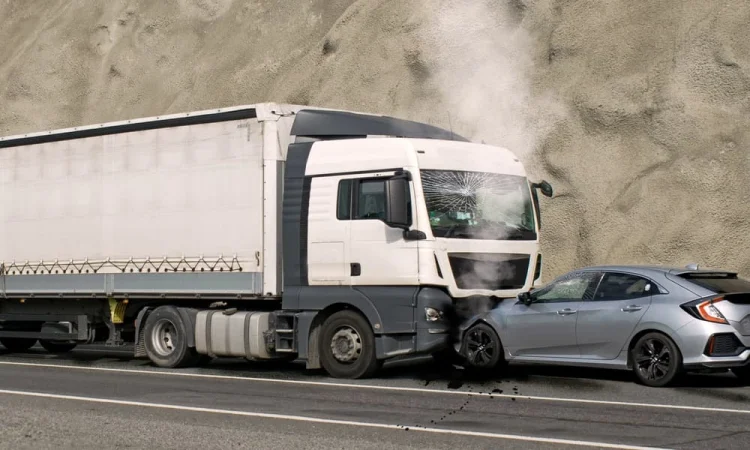
Truck crashes shake a life in one violent moment. Then the legal fight starts. You may expect a fair process. Instead you face a wall of resistance. Trucking companies protect money, reputation, and insurance rates. Their insurers see every claim as a threat. So they move fast to control evidence and limit what you can prove. They send teams to the scene. They coach drivers. They question your pain. Meanwhile you sit with medical bills, lost work, and fear about what comes next. This blog explains why truck accident claims draw such hard pushback. It also shows how advocates for victims of big‑rig accidents respond to delay, denial, and blame. When you know the playbook, you can plan your next move. You do not need to walk into this fight blind.
Why Truck Crashes Are Different From Car Wrecks
Truck crashes are not simple traffic mishaps. A loaded tractor trailer can weigh up to 80,000 pounds. Your car may weigh 3,000 pounds. The force of impact is harsh. Injuries are often severe. Recovery can take a long time. That means claims cost more.
Federal rules also apply to trucks. These rules cover driver hours, maintenance, and cargo. You can see examples in the Federal Motor Carrier Safety Administration hours of service rules. When a crash exposes rule breaking, companies fear fines and public records of violations. That fear drives a strong defense.
| Key Differences Between Typical Car and Large Truck Crashes | ||
| Factor | Car Crash | Large Truck Crash |
| Typical vehicle weight | 2,500 to 4,000 pounds | Up to 80,000 pounds |
| Common injury severity | Lower to mid range | High with risk of death |
| Average claim size | Lower | Much higher |
| Regulation | State traffic rules | Federal and state trucking rules |
| Number of businesses involved | Often none | Many such as carrier, shipper, broker, insurer |
The Money At Stake Drives Aggressive Defense
Truck crashes carry high costs. A single claim can reach hundreds of thousands of dollars. Some reach millions. Insurers track these numbers with care. They train staff to cut payouts wherever possible.
So when you file a claim, the company does not see your story first. It sees a risk to its balance sheet. That view shapes every move.
Common money pressures include:
- Medical care for serious injury
- Long term lost wages or job loss
- Future care needs such as therapy or surgery
- Vehicle damage and loss of use
- Possible wrongful death claims
Each line means a larger check. That pushes companies to fight harder and longer.
Multiple Businesses Try To Shift Blame
A truck crash often involves many businesses. Each one wants to escape fault. That creates finger pointing and slow progress.
Common players include:
- The driver
- The trucking company
- The trailer owner
- The freight shipper or loader
- The broker that arranged the haul
- Maintenance shops
Every one of these may have its own insurer and lawyer. Each party may claim someone else caused the crash. This tangle can leave you waiting while they argue over who pays what.
Evidence Gets Locked Down Fast
Large trucks carry rich data. This includes electronic logs, tracking records, and engine control module data. There may be dash cameras or inward facing cameras. There are also paper records like inspection sheets and bills of lading.
These records can show:
- How long the driver had been on duty
- Speed before impact
- Hard braking or swerving
- Maintenance problems
- Loading times and routes
Companies know this data can prove fault. So they often move fast to control it. Some records are kept for short periods. The Federal Motor Carrier Safety Administration explains retention rules for different records at FMCSA recordkeeping guidance. If no one demands preservation, key data may vanish under routine deletion policies.
Common Defense Tactics You May Face
- Blaming you. They may say you cut off the truck, slammed on your brakes, or ignored traffic signs.
- Downplaying injuries. They may claim your pain comes from age or old injuries.
- Delaying. They may ask for repeated records, slow responses, or “further review” to wear you down.
- Early low offers. They may offer quick cash before you know the full impact of your injuries.
- Disputing medical care. They may question treatment choices or try to limit future care costs.
These tactics are meant to save money. They can also strain you and your family.
How You Can Protect Your Claim
You cannot control how a trucking company reacts. You can control your own steps. Three simple moves can protect your claim.
- Seek medical care fast. Get checked even if you feel “okay.” Some injuries show later.
- Save records. Keep photos, witness names, police reports, repair bills, and all medical papers.
- Be careful with statements. Share facts with police and your own insurer. Be cautious when others call and ask for recorded statements.
These actions support your story when others try to question it.
Why Strong Advocacy Matters
Truck crash claims feel personal because they are. You face pain, stress, and family strain. Companies focus on numbers and risk. That gap creates unfair pressure.
Skilled advocates know the trucking playbook. They understand federal rules, data sources, and common defense stories. They push for fast preservation of records. They press for fair value for injuries and losses. They also help you understand each step so you do not feel lost.
You did not choose this fight. You can choose not to face it alone. When you understand why truck accident claims are so aggressively defended, you can respond with clear steps and steady resolve.